Key takeaways
- Anything structural, or involving plumbing, gas or electrical changes, usually needs a permit.
- Cosmetic work — paint, flooring, cabinets, countertops, tile — usually does not.
- Unpermitted work surfaces at resale, can hold up financing, and may void insurance.
The honest answer is that it depends on the scope, and on which jurisdiction the property sits in — Las Vegas, Henderson, North Las Vegas and unincorporated Clark County each run their own process. Here is the practical rule of thumb we work from.
Confirm with your jurisdiction
We are contractors, not code officials. Permit requirements vary by city and by scope, and they change. We confirm the requirements for your specific address and scope before work starts — and pull the permit where one is required.
Work that usually requires a permit
- Removing or adding a wall, or any change to a load-bearing structure
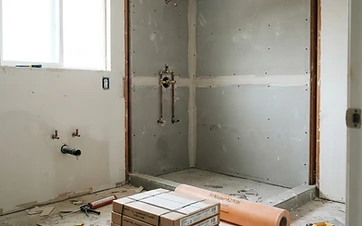
- Moving or adding plumbing — relocating a sink, toilet, tub or shower drain
- Any gas line work
- Adding or relocating electrical circuits, outlets or fixtures
- Panel changes or service upgrades
- Adding a bathroom, bedroom or any new habitable space
- Water heater replacement in most jurisdictions
- Roof replacement or structural roof repair
- Window or exterior door replacement that changes the opening
- Pools, spas, additions, patios and carports
- Converting a garage to living space
Work that usually does not
- Interior and exterior painting
- Flooring replacement — LVP, tile, carpet
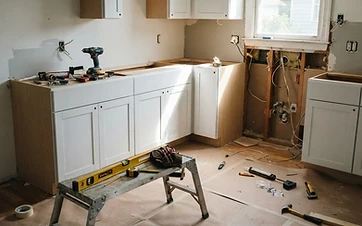
- Cabinet installation where the plumbing and electrical stay put
- Countertop replacement
- Backsplash and tile work in kind
- Drywall repair, patching and texture matching
- Baseboards, trim, casing and interior door replacement
- Replacing fixtures in kind — faucets, toilets, light fixtures, disposals
- Landscaping and irrigation
- Stucco patching and repair
The grey zone
The projects that cause the most trouble look cosmetic but touch a system — replacing a shower valve, moving an outlet for a new vanity, or swapping a tub for a shower and relocating the drain. If plumbing, gas or electrical is changing, treat it as permitted work until a jurisdiction tells you otherwise.
Why it matters after the work is done
- Resale. Unpermitted work turns up in a buyer's inspection and in the permit history, and it becomes a negotiation — or a deal-breaker.
- Financing. Lenders can decline to fund a home with unpermitted structural or system work.
- Insurance. A claim tied to unpermitted work can be denied.
- Correction cost. Fixing unpermitted work usually costs more than permitting it in the first place, because something has to be opened back up.
Who pulls the permit
On a properly run job, the licensed contractor pulls the permit in their own name, schedules the inspections and closes it out. If a contractor asks you to pull the permit as the homeowner, ask why — it usually shifts the liability to you.
What the process looks like
- 1
Scope and drawings
We define the scope precisely enough to submit — sometimes a simple plan, sometimes engineered drawings.
- 2
Application and fees
The permit is submitted to the correct jurisdiction for the address, and fees are paid.
- 3
Rough inspections
Framing, plumbing, electrical and mechanical work is inspected before it is covered up.
- 4
Insulation and drywall
Where required, these stages are inspected before finishes go on.
- 5
Final inspection
The completed work is inspected and the permit is closed out.
- 6
Paperwork to you
You get the closed permit for your records — exactly what you want to hand a buyer later.
What we typically see in Las Vegas homes
Based on our own repair work
What we run into on permitting in the Valley:
- The projects that surprise homeowners most are tub-to-shower conversions and vanity replacements — both look like finishes and both usually touch plumbing.
- We are asked to correct unpermitted work most often on bathroom and kitchen renovations, where the previous work moved a drain or added a circuit without inspection.
- Water heater replacement is the item most often done without a permit. It is also the one most likely to be flagged, because the unit is visible and dated.
- Permit time is the one part of a project that cannot be compressed by working faster. On anything structural, it is the schedule driver, not the construction.
A homeowner selling a Henderson property discovered at the buyer's inspection that a previous bathroom remodel had relocated the shower drain and added an outlet without permits, and the buyer's lender flagged it.
Documented what had actually been installed, confirmed the plumbing rough-in met current code, corrected the electrical to GFCI protection, and worked through the jurisdiction to have the work inspected and the permit closed out. The closed permit was then supplied to the buyer's agent, and the sale proceeded.
Henderson, NV