Key takeaways
- A turnover is a targeted repair and finish scope — not a renovation. Knowing where the line sits is what keeps the budget predictable.
- The standard scope covers paint, drywall, flooring, trim, minor plumbing and electrical, and a final punch list.
- Anything that changes the layout, adds square footage or moves plumbing is a renovation, and it is priced differently.
"Turnover" and "make-ready" get used loosely, and that is how budgets go sideways. Here is the actual scope we work from, so you can see what is in and what is not before you compare bids.
What a turnover is
A turnover is the work between one tenant moving out and the next moving in. The goal is to return the unit to rent-ready condition — safe, clean, working and presentable — without spending money the property cannot earn back. It is deliberately not a renovation.
The standard scope, trade by trade
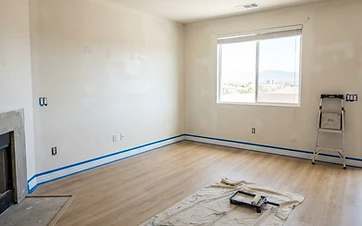
Paint and drywall
- Patching nail holes, scuffs, cracks and any move-out damage
- Texture matching to the existing wall so repairs disappear
- Stain-blocking primer over water stains, smoke residue or dark previous colours
- Two finish coats on walls and ceilings where needed, plus trim, doors and jambs
- Caulking at trim, fixtures and wet areas
Flooring
- Removal and haul-away of old carpet, pad, tack strip or hard flooring
- Subfloor correction — high spots ground, low spots patched, damaged panels replaced
- Moisture testing on slab and a compatible vapor barrier
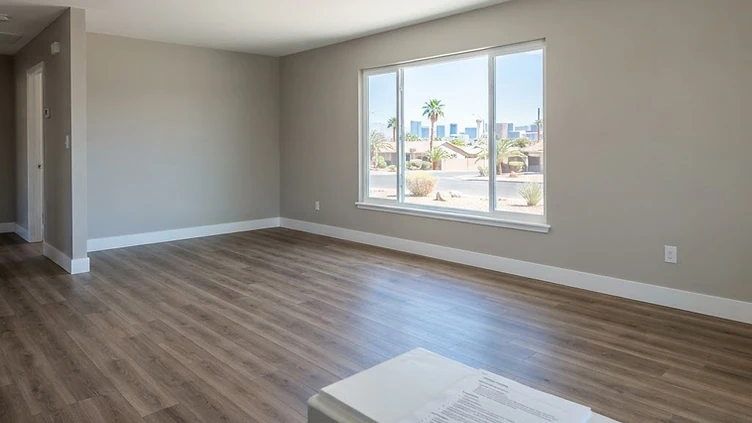
- Installation of new flooring with transitions and stair noses
- Baseboard reinstall or replacement, caulked and painted
Doors, trim and hardware
- Door slabs, hinges, latches, stops and closers adjusted or replaced
- Closet doors and tracks repaired or replaced
- Baseboards, casing and trim repaired or replaced
- Blinds, curtain hardware, house numbers and exterior fixtures
Minor plumbing and electrical
- Faucets, toilets, disposals and shower valves replaced
- Angle stops and supply lines replaced where they do not hold
- Active leak repair and re-caulking at tubs, showers and sinks
- Switches, outlets, GFCI receptacles, dimmers, light fixtures and ceiling fans
- Smoke and carbon monoxide detectors
Kitchen and bath
- Cabinet doors, drawers, hinges, slides and handles
- Countertop repair or replacement, and backsplash repair
- Vanity, mirror and fixture replacement
- Exhaust fan service or replacement
Exterior and final
- Stucco patching and paint touch-up, fascia and trim paint
- Fence, gate, screen and slider repair
- Pressure washing, debris haul-away and a detail clean
- Final punch walkthrough with photos and one itemized invoice
What is not included
Anything that changes the layout or the structure: removing or adding walls, moving plumbing or gas, adding circuits, converting a garage, adding square footage, or a full kitchen or bathroom gut. Those are renovations — they are permitted differently and priced differently, and we will tell you plainly when your list crosses that line.
Turnover or renovation?
| Scope | Turnover | Renovation |
|---|---|---|
| Paint, drywall patching, texture matching | Yes | Yes |
| Flooring replacement | Yes | Yes |
| Doors, trim, hardware, blinds | Yes | Yes |
| Minor plumbing and electrical repair | Yes | Yes |
| Cabinet refinishing or replacement | Refinish | Replace |
| Countertop replacement | Sometimes | Yes |
| Moving a wall, sink, toilet or range | No | Yes |
| New circuits, gas lines, panel work | No | Yes |
| Permits required | Rarely | Usually |
| Typical duration | 3–7 days | 2–8 weeks |
Why a written scope matters
Every turnover we run gets a written scope with line-item pricing, room by room. It tells you what is being repaired, what material is going in and what it costs — and it doubles as the punch list we close out against at handoff. When you are comparing contractors, the scope is the only thing that tells you whether you are comparing the same job.
What we typically see in Las Vegas homes
Based on our own repair work
What we see most often when we walk a vacated unit across the Valley:
- The scope almost never matches the landlord's list. There are usually two or three items nobody knew about — most often moisture at a toilet flange or under a kitchen sink.
- Baseboards are the quiet cost. Once flooring is replaced, the old baseboard rarely goes back cleanly, and reusing it is what makes a finished unit look patched.
- Texture matching is where low bids hide. A smooth patch on a knockdown wall reads as damage to every applicant who walks through.
- On roughly a third of units we find at least one shut-off valve that no longer holds. Replacing a $15 part during the turnover prevents a flooded unit later.
- Doors take more abuse than anything else in a rental. We replace more door slabs than any other single item.
A property manager needed a clear scope for a two-bedroom Henderson condo before approving the budget, because the previous vendor's quote was a single lump-sum line.
Walked the unit and produced a room-by-room scope: patch and texture three wall areas, repaint walls and ceilings, replace bedroom carpet, re-caulk both bathrooms, replace two door slabs and all baseboards, replace a non-holding angle stop, and a final punch list. The manager approved it line by line, and we closed the job against that same document.
Henderson, NV