Key takeaways
- Every turnover problem we get called to fix was visible at the walkthrough.
- The expensive misses are undiscovered moisture, pet odor in the subfloor, and texture that no longer matches.
- Walk the unit with a flashlight and a moisture meter, not just a clipboard.
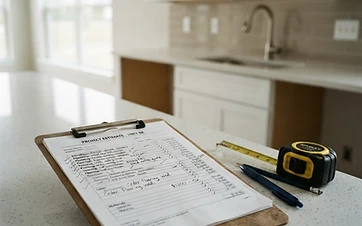
This is the checklist we run on our own turnovers, written so you can run it yourself. Print it, take it to the unit, and work top to bottom.
Before you walk in: the 30-minute walkthrough
- Bring a flashlight and a moisture meter — not just a clipboard.
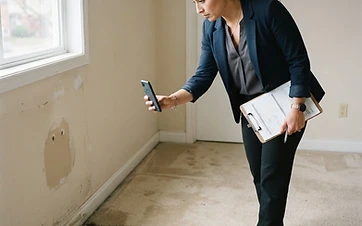
- Photograph each room from the doorway, then a close-up of every defect.
- Run every water source: both faucets, both toilets, the disposal, the shower valve, the water heater pan.
- Press the subfloor around the toilet, tub and dishwasher. Soft spots mean the flooring comes up.
- Smell for pet odor and smoke at floor level, where it concentrates.
- Open every door, window and closet and confirm it latches, slides and locks.
- Note the paint sheen and wall texture so replacements can be matched, not approximated.
The three misses that cost the most
- Moisture behind a wall that was never tested. Painting over it means doing the repair twice.
- Pet odor in the subfloor. If the odor is in the wood, new flooring on top will not hold it back.
- Texture and sheen mismatch. A repair that does not match reads as damage to every applicant.
Living areas and bedrooms
- Walls: nail holes, scuffs, cracks and any drywall damage patched and texture-matched
- Paint: walls and ceilings recoated where faded, marked or patched
- Flooring: worn carpet, lifting planks or cracked tile replaced
- Baseboards and trim: repaired, caulked and painted
- Doors: latches, hinges, stops and closet doors adjusted or replaced
- Blinds and hardware: straightened, repaired or replaced
- Outlets, switches and covers: functional, secure and clean
Kitchen
- Cabinet doors and drawers: hinges, slides, handles and any water damage at the sink base
- Countertops: chips, burns, loose backsplash and failed caulk at the sink
- Sink and faucet: leaks at the supply lines and the P-trap
- Garbage disposal: function and seal
- Range hood and filter: clean and operating
- Under-sink cabinet floor: replaced if swollen from a past leak
Bathrooms
- Toilet: seal at the base, stability, and no soft flooring around the flange
- Vanity and sink: caulk, drain assembly and cabinet condition
- Tub and shower: tile, grout, caulk lines and the shower valve
- Exhaust fan: actually moving air, not just humming
- Flooring: any soft spot around the toilet is a subfloor repair, not a flooring repair
Exterior and curb appeal
- Stucco patching and paint touch-up at patched areas
- Exterior trim, fascia and garage door paint
- Fence, gate, screen and slider repair
- House numbers, exterior light fixtures and hardware
- Pressure washing and final debris haul-away
The seven-day turnover schedule
- 1
Day 0 — Walkthrough and written scope
Photos, measurements and line-item pricing, with the schedule built backwards from your lease date.
- 2
Day 1 — Protect and repair
Floors and fixtures protected, move-out damage repaired, minor plumbing and electrical handled.
- 3
Day 2–3 — Drywall, texture and paint
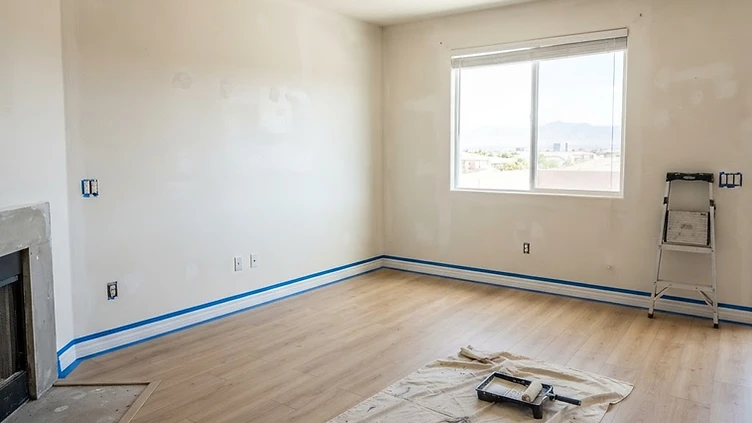
Patching, texture matching, primer where needed, then two finish coats.
- 4
Day 3–5 — Flooring, trim and doors
Old flooring removed and hauled away, subfloor corrected, new flooring installed, baseboards and doors set.
- 5
Day 5–6 — Fixtures, punch and detail clean
Hardware and blinds reinstalled, punch list walked, touch-up paint and final caulking.
- 6
Day 7 — Handoff and photo set
Final walkthrough, photo set for your file, one itemized invoice, keys returned.
What we typically see in Las Vegas homes
Based on our own repair work
Patterns from the units we turn every week:
- Toilet flanges are the most common hidden defect. If the flooring around the toilet gives at all, there is a subfloor repair in the scope whether it was on the list or not.
- Kitchen sink bases are second. A slow drip behind a cabinet goes unnoticed for years and swells the cabinet floor and the wall behind it.
- Blinds are cheap and make a disproportionate difference in photos. We replace them more often than we repair them.
- Most landlords under-budget the punch list. It is usually a full day of small items, and skipping it is what makes a finished unit feel unfinished.
A North Las Vegas three-bedroom came back with damage the owner had not been told about: two fist-sized holes in a bedroom wall, a punched door slab, and a closet door pulled off its track.
Squared and patched the wall damage, matched the existing texture, repainted the room in two coats, replaced both door slabs and hardware, rehung the closet door on a new track, replaced the damaged baseboard and casing, caulked and painted the trim, and detailed the room. Three working days, two days ahead of the move-in.
North Las Vegas, NV