Key takeaways
- A standard 3-bedroom make-ready takes 3–7 business days when the scope is set before work starts.
- Light turnovers — paint and a punch list — finish in 1–3 days.
- Almost every blown deadline traces back to a scope that changed after work began.
The honest answer is that it depends on what is behind the walls — but that is not useful when you have a lease starting in ten days. So here is how long turnovers actually take, and what moves the date.
Day by day, for a standard make-ready
- 1
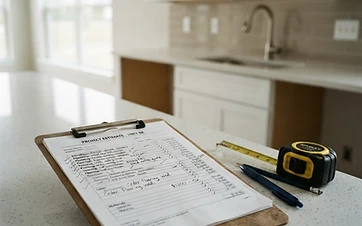
Day 0 — Walkthrough and written scope
Photos, measurements, line-item pricing, and a schedule built backwards from your deadline.
- 2
Day 1 — Protect and repair
Floors and fixtures protected. Move-out damage repaired. Minor plumbing and electrical handled in the same visit.
- 3
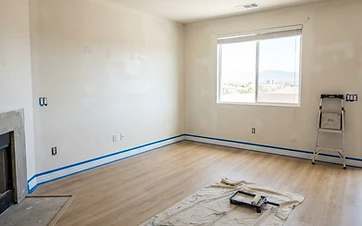
Day 2–3 — Drywall, texture, paint
Patching, texture matching, primer where needed, then two finish coats.
- 4
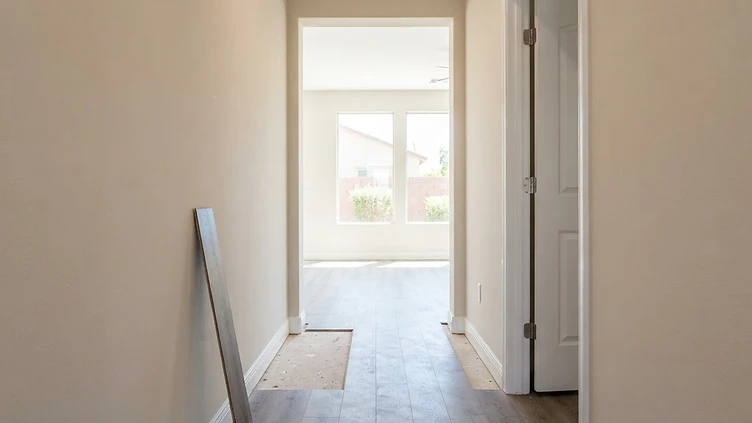
Day 3–5 — Flooring, trim, doors
Old flooring removed, subfloor corrected, new flooring installed, baseboards and doors set and caulked.
- 5
Day 5–6 — Fixtures and punch
Hardware, blinds and fixtures reinstalled. Punch list walked. Touch-up paint and final caulk.
- 6
Day 7 — Handoff
Final walkthrough, photo set, itemized invoice, keys returned.
The single biggest variable
Flooring. Paint and drywall move on a predictable clock because dry time is fixed. Flooring depends on material lead time and subfloor condition, so it is the item most likely to move your date.
What slows a turnover down
- A scope that changed after work started — the most common cause of a missed date.
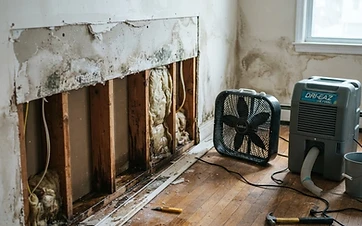
- Undiscovered moisture. Testing happens on day one, not day four, for exactly this reason.
- Material lead time on flooring, tile, vanities or specialty trim.
- Subfloor repair discovered under old flooring.
- A unit that was never fully emptied by the outgoing tenant.
- Scheduling trades separately. Five vendors means five schedules and five chances to slip.
Timelines by job type
| Job | Typical duration |
|---|---|
| Paint and punch list only | 1–3 business days |
| Standard 3BR / 2BA make-ready | 3–7 business days |
| Make-ready with full flooring replacement | 5–9 business days |
| Bathroom renovation | 2–3 weeks |
| Kitchen renovation | 3–4 weeks |
| Mold remediation, single room, plus rebuild | 1–2 weeks |
How to protect your lease start date
- Give the contractor the deadline up front, not after the scope is set.
- Get the scope in writing, with line-item pricing, before work starts.
- Sequence listing-critical work first: paint, flooring, drywall and curb details.
- Choose materials from what is in stock locally rather than waiting on a special order.
- Keep one point of contact so decisions get made the same day.
What we typically see in Las Vegas homes
Based on our own repair work
What we see on the schedule side, from running multi-unit turnovers every month:
- The two things that reliably blow a deadline are flooring lead time and a scope change. Almost nothing else moves a date materially.
- Rushing paint is a false economy. Coat two applied before coat one has dried looks fine on day six and telegraphs by month three.
- Scheduling every trade on one schedule is the single biggest time saver. Most of the delay we are called in to fix comes from waiting on a second or third vendor.
- Summer is slower, not faster. Cure times for caulk, paint and grout all run longer in a Las Vegas July, and a unit with the air off runs longer still.
A property manager had a lease starting in nine days on a Henderson unit that had been vacant for two months, with worn carpet, marked walls and a bathroom that had not been touched in years.
Ran the walkthrough the same day and wrote the scope, then sequenced it deliberately: flooring ordered first so it was on site before demolition, drywall and paint run while the flooring acclimated, flooring installed on days three and four, then fixtures, trim, caulk and punch. Handed back on day seven, two days ahead of the lease.
Henderson, NV