Key takeaways
- Las Vegas homes fail differently from homes anywhere else. Heat, UV, hard water, dust and monsoon storms are the five forces that do the damage.
- The two highest-cost surprises — a roof leak and a slab leak — are both cheap to find early and expensive to find late.
- Most of this list is a weekend of work a year. The repairs it prevents are measured in thousands.
A Las Vegas home is not maintained like a home in a mild climate. Heat that tops 110°F, some of the hardest water in the country, monsoon microbursts, blowing dust and relentless UV all work on a house in ways most maintenance advice never accounts for.
The five forces that damage Las Vegas homes
- Heat. It cooks roofing underlayment, dries out wood, and expands and contracts everything metal and plastic.
- UV. It degrades exterior paint, stucco, fascia and anything rubber or plastic left exposed.
- Hard water. It scales water heaters, clogs aerators, and slowly corrodes copper supply lines from the inside.
- Dust. It loads HVAC filters, coats condenser coils, and finds its way into every gap that is not sealed.
- Monsoon storms. Roughly July through September, they bring 60-plus mph gusts and driving rain that find every weak flashing, crack and seal.
Spring (March – May)
- Service the air conditioner before the first hot week, not during it.
- Replace the HVAC filter and set a 30–60 day replacement habit from here on.
- Flush the water heater to clear hard-water scale. This is the single most-skipped item on the list and the cause of most early heater failures.
- Test the water heater pressure relief valve and check the pan and drain line.
- Walk the roof or hire an inspection — look for cracked or slipped tiles, worn flashing and dried-out sealant around vents and the AC curb.
- Walk the exterior and seal hairline stucco cracks and any dried exterior caulk.
- Check drip irrigation for leaks and adjust the timer for the season.
- Check the grading around the house. Soil should slope away, not toward, the slab.
Summer (June – August)
- Keep the HVAC filter clean. Dust loads it faster here than anywhere else.
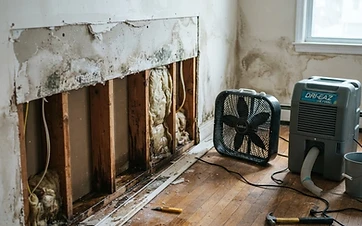
- Watch the AC condensate line. A blocked line drains into the wall or ceiling — one of the most common sources of hidden water damage we find.
- Look for puddling near the foundation after watering. That is a sign of an irrigation leak feeding the soil under your slab.
- Check for warm spots on the floor and listen for running water when everything is off.
- Clear the dryer vent of lint.
- Trim desert plants away from the stucco and roofline.
- Check exterior paint and fascia for chalking, cracking or peeling on the west and south elevations.
Monsoon season (July – September)
- Confirm the roof and all flashing and seals are sound before the first storm, not after.
- Clear gutters, scuppers and drainage paths.
- Check window and door seals, and the seals around any wall penetration.
- After a storm, walk the interior ceilings and walls. A new stain tells you where water is getting in.
- Check the yard for new erosion or soil movement near the foundation.
Fall and winter (September – February)
- Service the heating side of the HVAC system.
- Re-caulk around tubs, showers, sinks and exterior openings before temperature swings open them further.
- Inspect the roof once more after storm season and address anything the monsoons found.
- Flush the water heater again if you skipped it in spring, and check the anode rod on older units.
- Check for plumbing leaks — the ground shifts with winter cold, and that is when stressed lines show themselves.
- Test smoke and carbon monoxide detectors.
- Check weatherstripping and door sweeps.
The four items that pay for themselves fastest
- An annual AC service before summer — it prevents the emergency call in July when every other house in the Valley is also broken.
- Flushing the water heater. Hard-water scale is what kills heaters early.
- Sealing stucco cracks and exterior caulk before monsoon season.
- A roof and flashing check every spring. Found early it is a patch; found late it is drywall, insulation, paint and possibly mould.
What skipping it costs
| Skipped item | What it turns into | Typical cost later |
|---|---|---|
| AC service and filters | Compressor or blower failure in peak heat | $1,500 – $8,000+ |
| Water heater flush | Tank failure and flooding | $1,200 – $3,500 |
| Stucco and caulk sealing | Water intrusion into framing | $1,500 – $6,000 |
| Roof and flashing check | Ceiling leak, drywall, insulation, possible mould | $2,000 – $12,000 |
| Irrigation leak check | Saturated soil, slab movement, slab leak | $3,000 – $15,000+ |
| AC condensate line | Hidden wall or ceiling water damage | $1,500 – $8,000 |
| Dryer vent cleaning | Fire risk | Not worth quantifying |
When to call a licensed contractor
Most of this list is homeowner work. Call a licensed contractor for anything involving water intrusion, moisture you cannot trace, a stain that grows, soft flooring, or repairs involving plumbing, electrical or structural work. Guessing on those is how a small repair becomes a large one.
What we typically see in Las Vegas homes
Based on our own repair work
The maintenance failures we get called to repair most often in Las Vegas homes:
- The AC condensate line is the number one source of hidden water damage we find. It runs for months, drains inside the wall or ceiling, and nobody notices until the ceiling stains.
- Water heaters fail on a schedule driven by scale, not by age. The homes we see with a flushed heater routinely get years more out of the tank.
- Stucco hairline cracks look cosmetic and are not. Monsoon rain gets behind them, and the damage shows up inside the wall, not on the surface.
- Irrigation leaks near the foundation are the quiet cause of a surprising share of the slab leaks we get involved with. Wet soil under a slab does not stay harmless.
- Most homeowners discover roof flashing problems from the inside. The leak shows up as a ceiling stain long after the water started getting in.
A Summerlin homeowner had a ceiling stain that kept returning after being painted over twice, on a home with an AC air handler in the attic above that ceiling.
Traced the moisture to a blocked and incorrectly pitched AC condensate line draining into the ceiling assembly. The line was corrected, the damaged drywall and insulation removed and the cavity dried and verified, then new drywall installed, texture matched to the existing knockdown, primed and the ceiling plane blended. The repair is now invisible from below.
Summerlin, Las Vegas, NV